
Waste management, sustainability and occupational risk prevention in food businesses for companies
Course description
This course in waste management, sustainability and occupational risk prevention in hospitality is designed to train professionals responsible for handling waste properly and keeping the workplace safe in food businesses. Delivered online, it gives you a thorough understanding of current regulations and the practices needed to comply with Spain's Ley 22/2011 (Waste Act) and the Ley de Prevención de Riesgos Laborales (Occupational Risk Prevention Act).
Throughout the course, you will learn to control food waste, optimise storage and manage the purchasing and preparation of food in line with hygiene and sustainability criteria. You will also explore sector-specific recycling and the preventive measures that apply to different parts of the food industry, such as restaurants, butcher's shops, fishmongers and bakeries.
The course is aimed at professionals who work in direct or indirect contact with food, from kitchen staff to warehouse and distribution managers. Studying online lets you manage your time flexibly, making it easy to combine with your work.
Key facts: the course lasts 60 hours, is affordably priced and specialises in an area that is fundamental to food and workplace safety in the hospitality and food sectors.
What you will learn
This course aims to give learners the essential knowledge to manage waste, apply good sustainability practices and prevent occupational risks in food businesses. By the end, learners will be able to:
- Apply waste control techniques to make the most of resources and promote sustainability.
- Store raw materials and products properly to minimise the amount of waste generated.
- Carry out food purchasing and preparation processes in line with hygiene and sustainability standards.
- Understand and apply basic recycling procedures adapted to different food sectors.
- Identify risk factors and apply preventive measures in sectors such as restaurants, butcher's shops and fishmongers.
- Manage occupational risk prevention to ensure safety in food-related jobs.
- Understand current legislation on waste management and risk prevention in the hospitality sector.
Syllabus
Module 1. Waste control in food businesses
Learners are introduced to the basic concepts of waste management and why it matters in the food sector. The module covers waste control in day-to-day operations to improve efficiency and sustainability.
1.1 Introduction and key concepts of food waste
Explains what waste is and its impact on hospitality, together with the key concepts needed to manage it properly.
1.2 Effective waste control within the business
Learners find out how to put measures in place to identify and reduce waste during day-to-day operations.
1.3 Quality control of raw materials to prevent waste
Focuses on ensuring quality from the moment products are received, to minimise losses and encourage sustainable practices.
1.4 Storage management to reduce waste: cold rooms and storerooms
Covers how to optimise storage space and conditions to extend product shelf life and avoid waste.
1.5 Purchasing and preparing food in line with hygiene rules to prevent waste
Sets out hygiene practices that support safe, efficient handling and reduce losses during preparation.
Module 2. Sustainability and basic recycling by sector
This module explains the concept of sustainability and sets out basic recycling processes adapted to different food sectors.
2.1 Fundamentals of sustainability in hospitality
Introduces the foundations for a sustainable approach to food-related operations.
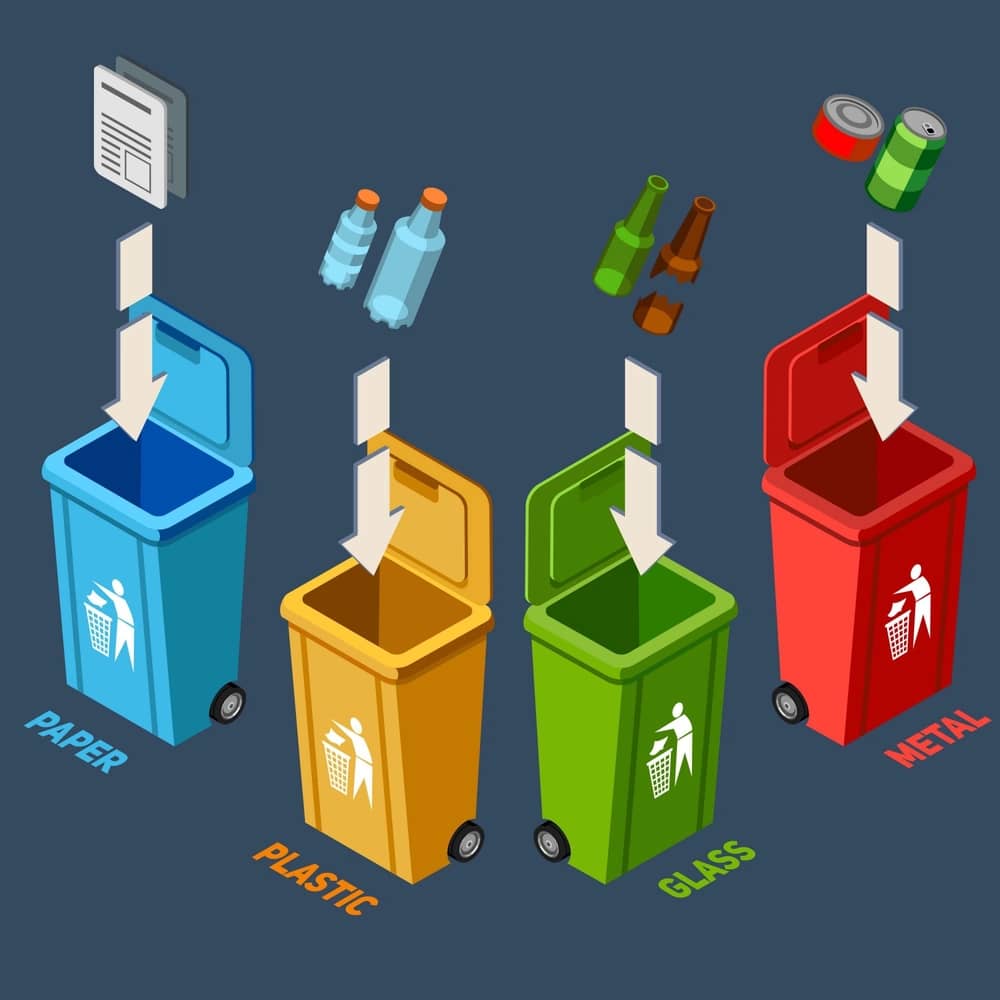
2.2 Basic collection, sorting and recycling processes
Learners discover how recycling is managed, from collection through to processing.
2.3 Recycling in hospitality and catering
Specific practices for managing waste and recycling in restaurants and catering businesses.
2.4 Recycling in butcher's shops
Looks at waste management procedures adapted to meat businesses.
2.5 Recycling in fishmongers
Good practice for recycling the waste typical of the fish trade.
2.6 Recycling in food retail
Sustainable management for shops and supermarkets selling food products.
2.7 Recycling in bakeries and patisseries
Takes an in-depth look at handling the specific waste produced when making and selling bakery products.
2.8 Recycling in warehousing and distribution
Procedures for recycling and managing waste in food storage and distribution centres.
Module 3. Basic occupational risk prevention in food businesses
This module covers the fundamentals of occupational risk prevention in different areas of the food sector to protect workers.
3.1 General aspects: risk factors and preventive measures
Identifies common risks and teaches basic measures to prevent them in food workplaces.
3.2 Risk prevention in the restaurant sector
Protocols and practices to avoid accidents and occupational illnesses in kitchens and service areas.
3.3 Prevention in retail: greengrocers and supermarkets
Specific measures to protect workers selling fresh produce in retail.
3.4 Prevention in the meat sector
Specific risks and recommendations to ensure safety in butcher's shops.
3.5 Prevention in fishmongers
Practices to minimise the risks of handling and preserving fish and seafood.
3.6 Prevention in warehouses and distribution centres
Measures to ensure safety when handling, storing and transporting food.
3.7 Prevention in bakeries and patisseries
Recommendations to avoid risks related to production and sales in the bakery sector.
Career opportunities
The course prepares you to carry out roles in environmental management and risk prevention in the food sector, which are essential in hospitality and related industries. The knowledge you gain improves your employability in areas linked to safety and sustainability.
- Waste management technician in hospitality and food companies.
- Safety and prevention officer in food businesses.
- Quality and waste control supervisor in professional kitchens.
- Sustainability coordinator in hospitality and food retail.
- Auditor or contributor to occupational risk prevention programmes in the food sector.
Sectors and companies
- Hospitality and catering
- Food retail
- Food processing and distribution
- Bakeries and patisseries
- Food logistics and storage companies
Other Hospitality courses for companies
🍽️ Expand your team's training with more courses in this area
 Hospitality
Food handling course for hospitality and food professionals
A 20-hour online food handling course, required by law, to guarantee food safety in hospitality and related sectors.
 Hospitality
Hazard Analysis and Critical Control Points (HACCP) course
60-hour online course on implementing the HACCP system (APPCC in Spain), which is mandatory in the food industry, and guaranteeing food safety and hygiene.
 Hospitality
Food allergens course for hospitality
20-hour online course on food allergens, mandatory under European Regulation 1169/2011, for professionals in the hospitality and food sectors.
 Hospitality
Food safety culture: awareness and putting HACCP into practice
This requirement is set out in Regulation (EC) 852/2004 (as amended by Regulation (EU) 2021/382), which requires food business operators to establish, maintain and demonstrate an appropriate food safety culture.
 Hospitality
Food waste prevention and the new packaging regulations
Learn about and implement a plan to prevent food loss and waste.
 Hospitality
Food hygiene course
Under European Regulation 1169/2011, every food business must know how to prevent risks related to FOOD ALLERGIES AND INTOLERANCES.