
Basic first aid course (theory)
Course description
The online first aid course gives you the essential training needed to act correctly in emergency situations. With solid, practical knowledge, you will be able to intervene in time to preserve the life of an injured person, prevent physical and psychological complications, and help transfer them to the appropriate healthcare facility.
Throughout this training you will learn everything from the general principles of first aid, through the correct handling of casualties and techniques for cardiovascular problems, wounds and haemorrhages, to specific first aid for all kinds of medical and environmental emergencies. In addition, special emphasis is placed on how to apply techniques correctly, always respecting your own limitations so as not to cause further harm.
This course is aimed at anyone interested in acquiring basic skills to respond to accidents and emergencies, whether for personal use or to complement professional profiles in the healthcare and social care sector.
As an online training course lasting 350 hours, it offers the flexibility needed to fit your studies around your schedule, with no travel or geographical limitations. The course costs 90 euros.
Acquire essential first aid skills and prepare to intervene safely in critical situations that can make the difference between life and death.
Duration: 350 hours | Format: online | Price: 90 euros
What you will learn
In this online first aid course you will learn to intervene appropriately in emergency situations to preserve life and minimise the consequences of an accident. The specific objectives are:
- Take immediate emergency measures to maintain the vital functions of the injured person.
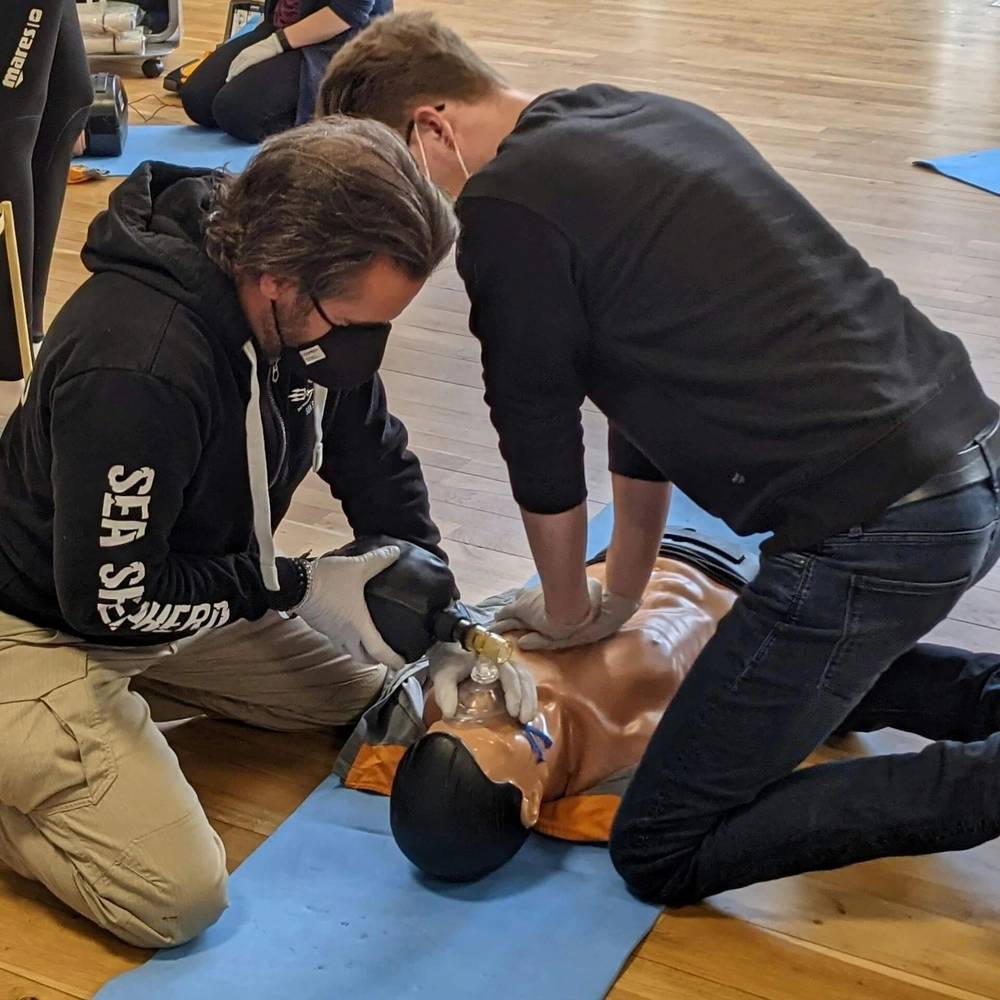
- Carry out basic life support techniques and casualty handling.
- Identify and act in cardiovascular problems, wounds and haemorrhages.
- Apply correct procedures for trauma and nervous system conditions.
- Recognise and treat injuries caused by environmental agents, toxins, bites or stings.
- Manage foreign bodies and act in emergencies of various kinds.
- Assess and respect your own limitations to avoid further harm.
- Promote the recovery of the injured person and ensure their safe transfer to the nearest healthcare facility.
Syllabus
General principles of first aid
Learn the basic concepts, importance and fundamental principles of first aid for a safe and effective intervention.
Equipment techniques
Learn to use first aid materials and devices correctly in different situations.
Casualty handling
Master techniques for the correct assessment, positioning and moving of injured people without worsening their injuries.
Basic life support
Study the essential procedures for maintaining breathing and circulation in casualties in cardiac arrest or other critical situations.
Cardiovascular problems
Identify symptoms and act in cases of heart attacks, angina and other problems related to the heart and blood circulation.
Wounds and haemorrhages
Acquire techniques for cleaning, protecting and controlling bleeding to prevent infection and complications.
Trauma problems
Learn to treat fractures, sprains, dislocations and other musculoskeletal injuries with appropriate first aid.
Nervous system problems
Recognise and respond to seizures, fainting and other neurological disorders in emergencies.
Environmental agents
Treat injuries caused by cold, heat, burns and other adverse environmental factors.
Foreign bodies
Learn the manoeuvres for the safe removal of objects that obstruct the airways or cause harm.
Toxins, bites and stings
Learn how to act in cases of poisoning, animal bites and stings that pose a health risk.
First aid in emergencies
Bring all your knowledge together to intervene effectively in different types of medical emergencies and accidents.
Career opportunities
The course qualifies you to act as a first responder in emergencies and first aid across different professional and social settings, with a focus on roles linked to basic healthcare and the immediate care of injured or at-risk people.
First aid assistant in healthcare and social care facilities.
Emergency and civil protection personnel.
Instructor in sports or recreational activities.
Staff member in educational and social care centres.
Collaborator in occupational health and safety prevention services.
Sectors and employers:
Residential and social healthcare centres.
Sports organisations and schools.
Other Health and Social Care courses
🏥 Expand your training with more courses in this area
 Health and Social Care
Geriatric care assistant course
A 420-hour online course plus 180 hours of work placement to train as a geriatric care assistant, supporting older people with their daily lives and basic care.
 Health and Social Care
Social and Healthcare Support at Home Course (Leading to Professional Certification)
Training leading to a professional certificate. SSC089_2 Social and healthcare support for people at home (RD 295/2004, 20 February)
 Health and Social Care
Social Healthcare Course for Dependent People in Social Institutions (Professional Certification)
Training leading to a Certificado de Profesionalidad (official Spanish vocational qualification). SSCS0208 Social healthcare for dependent people in social institutions (RD 1379/2008, 1 August, amended by RD 721/2011 of 20 May and RD 625/2013 of 2 August).
 Health and Social Care
Curso de inteligencia artificial para residencias y centros de día
Formación en inteligencia artificial para optimizar tareas en residencias y centros de día, con modalidades autoaprendizaje, a distancia con tutorías y presencial bonificado.
 Health and Social Care
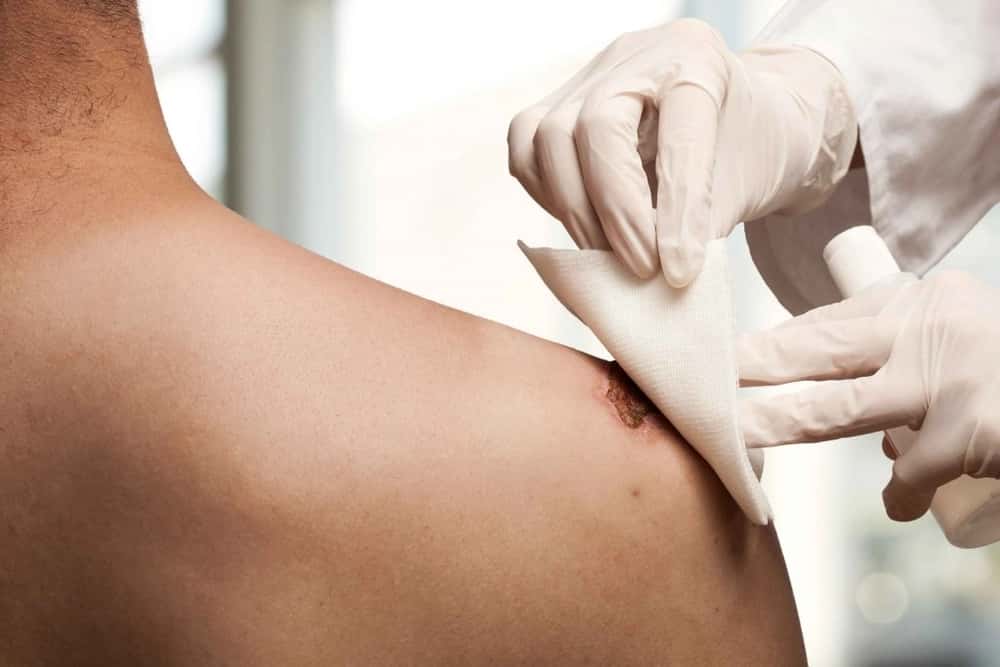
Pressure ulcer treatment course
160-hour online course to expand your knowledge of pressure ulcer care, aimed at professionals working in health and social care centres and in home care.
 Health and Social Care
Eating Disorders Course (TCA)
20-hour online course on eating disorders for healthcare professionals and anyone interested in this field.