
Geriatric care assistant course
Course description
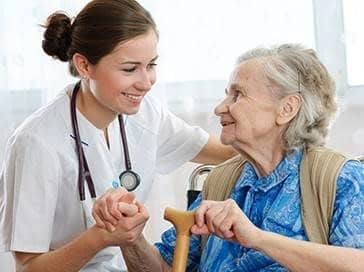
The geriatric care assistant course is essential for anyone who wants to specialise in providing comprehensive care to older people, whether they are independent or need assistance. This online programme prepares you to become a competent professional in social care institutions, care homes, day centres or home care services.
Throughout the course you will learn to help older people with daily activities such as personal hygiene, mobility, eating and taking medication under supervision. You will also discover techniques to stimulate psychomotor skills and support patients' emotional wellbeing.
The course is aimed at those looking for complete, flexible training in the healthcare field of geriatrics, and its online format makes it easy to balance study with your personal and working life. It also includes 180 hours of work placement so you can put your knowledge into practice in a real setting and boost your employability.
Key content includes the biology of ageing, geriatric assessment, clinical pharmacology, end-of-life care, managing conditions such as Alzheimer's and Parkinson's, and comprehensive care for dependent people.
With a total duration of 420 hours and a price of 480 euros, this course is the perfect opportunity to train as a healthcare assistant specialising in geriatrics and enter the job market with up-to-date professional and practical skills.
What you will learn
On completing the geriatric care assistant course, students will have developed a range of skills that improve the care and quality of life of older people. The main objectives are to:
- Assist with basic daily activities: hygiene, eating, dressing and mobility.
- Provide basic care and wound dressing under the supervision of qualified healthcare staff.
- Promote independence and stimulate older people's psychomotor and cognitive abilities.
- Help with managing medication and the safe administration of treatments.
- Organise recreational activities and occupational therapies that enhance emotional wellbeing.
- Adapt the environment and the care centre to the specific needs of each older person.
- Recognise the signs and symptoms of common conditions in gerontology in order to act effectively.
- Build self-esteem and encourage social integration to improve quality of life.
Syllabus
Unit 1. The biology of ageing
You will learn about the biological processes that take place during ageing and how they affect the older person's body.
Unit 2. Medical history and physical examination
You will learn to gather relevant information and carry out basic examinations to assess an older person's state of health.
Unit 3. Comprehensive geriatric assessment
You will study methods for assessing the overall physical, mental and social health of older patients.
Unit 4. Preventing illness and disability
You will identify strategies to prevent common illnesses and avoid loss of function.
Unit 5. Clinical pharmacology
You will master the basic concepts of medicines and how they are administered to older people.
Unit 6. Interdisciplinary geriatric teams
You will learn how the professionals who care for older people are organised and work together.
Unit 7. Social work in geriatrics
You will learn about the role of social work in caring for and supporting older people and their families.
Unit 8. Pharmacy
You will study how medicines are managed and controlled in a geriatric setting.
Unit 9. Admission of older people to care
You will analyse the social and medical aspects of moving into a care home or specialist centre.
Unit 10. Quality of life and therapeutic goals
You will learn how to improve wellbeing and set personalised therapeutic goals.
Unit 11. Care of the terminally ill patient
You will learn about palliative care and emotional support at the end of life.
Unit 12. Caring for dependent people
You will master care and support techniques for people with physical or mental dependency.
Unit 13. Dependency: factors and risks
You will identify the causes and factors that contribute to dependency in old age.
Unit 14. Symptoms
You will recognise common clinical signs affecting older people.
Unit 15. Improving independence
You will learn to encourage independence in older people's daily activities.
Unit 16. Building self-esteem
You will study techniques to strengthen an older person's self-confidence and sense of self-worth.
Unit 17. Adapting the environment
You will learn how to modify the environment to make mobility easier and safer.
Unit 18. Adapting the care centre to older people's needs
You will learn to adapt care spaces to the particular needs of the elderly population.
Unit 19. Nutrition
You will study the recommended nutritional and dietary guidelines for older people.
Unit 20. Urinary incontinence
You will learn how to manage and treat this common problem in later life.
Unit 21. Faecal incontinence
You will learn about the causes of bowel incontinence and the care it requires.
Unit 22. Constipation
You will study its prevention and treatment to improve digestive wellbeing.
Unit 23. General hygiene for older people
You will master personal hygiene techniques adapted to older people's needs.
Unit 24. Pressure ulcers
You will learn to prevent and treat these injuries to keep the skin healthy and intact.
Unit 25. Moving and handling
You will learn safe methods for moving and repositioning dependent people.
Unit 26. Falls
You will study the risk factors and strategies for preventing falls in older people.
Unit 27. Sleep
You will learn about sleep disorders and how to manage them in older people.
Unit 28. Diseases that cause disability
You will learn about the most common conditions linked to disability in old age.
Unit 29. Alzheimer's disease
You will study this neurodegenerative disease and specific techniques for caring for people who have it.
Unit 30. Delirium
You will learn to identify and manage episodes of acute confusion in older people.
Unit 31. Depression
You will learn about the symptoms and effects of depression in later life and how to support those affected.
Unit 32. Stroke
You will study care and rehabilitation following a stroke.
Unit 33. Parkinson's disease
You will learn how to manage and support patients with this neurodegenerative disease.
Unit 34. Hearing problems
You will learn about hearing disorders and their impact on communication.
Unit 35. Cancer
You will study the basics of cancer in older people and the care involved.
Unit 36. Surgery
You will learn about the surgical process and post-operative care for older patients.
Unit 37. Diabetes
You will learn about the disease and its treatment to improve the older patient's quality of life.
Career opportunities
The geriatric care assistant course opens up career opportunities focused on the direct care of dependent older people in a variety of settings. Some of the most common roles are:
Care assistant in care homes and day centres for older people.
Home care assistant looking after older people in their own homes.
Support worker in healthcare centres specialising in geriatrics.
Member of interdisciplinary health and social care teams.
Sectors and employers
Social and residential services for older people.
Public and private organisations providing care for dependent people.
Home care and occupational therapy companies.
Other Health and Social Care courses
🏥 Expand your training with more courses in this area
 Health and Social Care
Artificial intelligence in care homes and day centres
Practical training on applying artificial intelligence in health and social care centres and improving day-to-day management with tools such as ChatGPT.
 Health and Social Care
Home-based social and healthcare support course (leading to a professional certificate)
Training leading to the Certificado de Profesionalidad (official Spanish vocational qualification). SSC089_2 home-based social and healthcare support for people (RD 295/2004 of 20 February)
 Health and Social Care
Social and healthcare support for dependent people in institutions (leading to a professional certificate)
Training leading to a Certificado de Profesionalidad (official Spanish qualification). SSCS0208 Social care for dependent people in social institutions (RD 1379/2008, 1 August, amended by RD 721/2011, 20 May; amended by RD 625/2013, 2 August).
 Health and Social Care
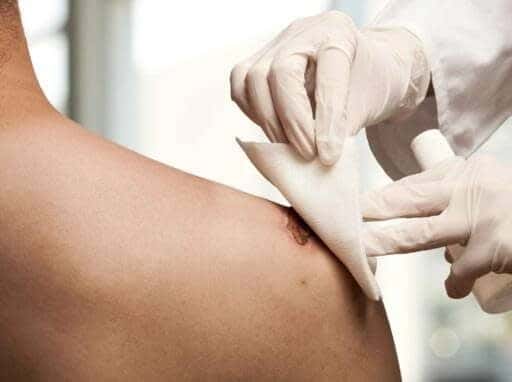
Pressure ulcer treatment course
160-hour online course to expand your knowledge of pressure ulcer care, aimed at professionals working in health and social care centres and in home care.
 Health and Social Care
Eating disorders course (TCA)
20-hour online course on eating disorders for healthcare professionals and anyone with an interest in this field.
 Health and Social Care
Care protocols in care homes and home settings course
20-hour online course focusing on protocols and communication to improve care in care homes for older people, day centres and private homes.