
Food allergen course for hospitality
Course description
The food allergen course is essential training for all professionals in the hospitality and food sector who want to comply with current regulations and ensure consumer safety. Under EU Regulation 1169/2011, any establishment that serves food is obliged to provide information on the presence of allergens.
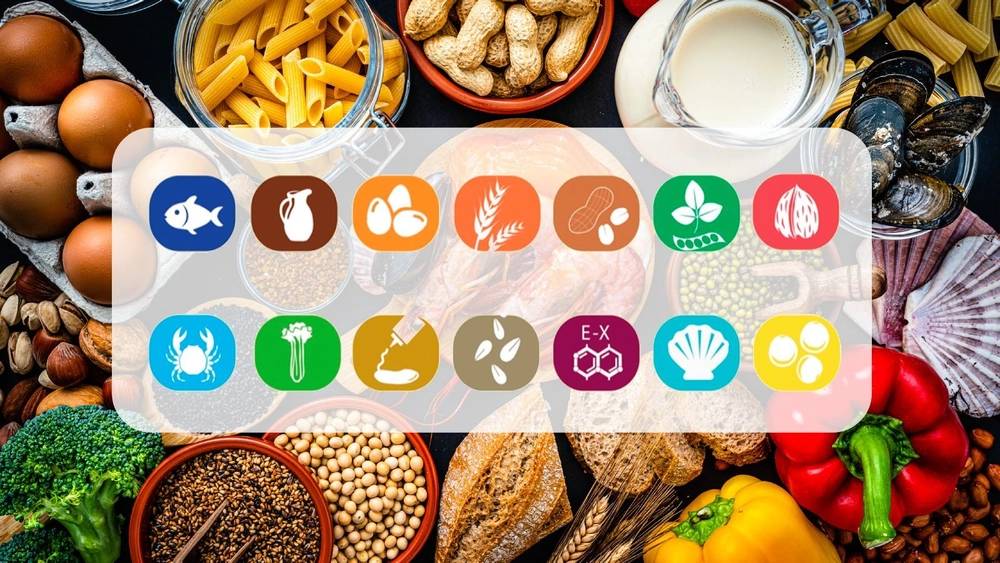
In this course you will learn what food allergens are, how they affect health, and how to identify and manage the 14 mandatory allergens: cereals containing gluten, crustaceans, eggs, fish, peanuts, soybeans, milk and dairy, tree nuts, celery, mustard, sesame seeds, sulphur dioxide and sulphites, lupin, and molluscs.
The programme covers the description, causes and symptoms of allergies and intolerances, through to diagnosis, treatment, hygiene and prevention across different food sectors. It also addresses correct product labelling and current regulations, providing a comprehensive overview for those working from food preparation through to sales.
This online training course, lasting 20 hours, allows you to study at your own pace. It does not include practical placements, but it offers a significant improvement in professional qualifications and is accepted by the competent health authority in all autonomous communities. The price is 50 euros.
If you want to guarantee legal compliance and protect the health of your customers, this course is your best ally for gaining the knowledge you need about food allergens in hospitality and food services.
What you will learn
On completing this course, the learner will be able to effectively manage the handling of food allergens to protect consumer health and comply with current regulations. The objectives are:
- Understand and apply the regulations on the handling of food allergens.
- Identify the main allergens and their effects on the consumer during handling and service.
- Implement prevention methods to avoid cross-contamination and ensure hygiene when in contact with food.
- Understand and apply the updated requirements for food product labelling.
- Develop health protocols for the prevention of food allergies and intolerances in professional settings.
- Manage emergency situations involving allergic reactions related to food.
- Interpret the current legislation concerning allergens in food establishments.
Syllabus
Module 1. Description, causes and symptoms of food allergies
This module explains the characteristics of allergens, the causes of allergies and intolerances, and the symptoms that affected consumers may present.
Module 2. Diagnosis and treatment. Hygiene when handling food and allergens
It covers how to diagnose food allergies, their treatment, and the hygiene practices needed to avoid cross-contamination during the handling and preparation of food.
Module 3. Food product labelling
This module explains current food labelling regulations, focusing on the requirements for correctly informing consumers about the presence of allergens in food products.
Module 4. Prevention and application across different food sectors
The preventive measures for avoiding allergen-related risks are studied, along with their practical application in different areas of the food sector, from production through to sales.
Module 5. Food allergies and intolerances
The learner will understand the differences between allergies and intolerances, their causes and risks, and how they should be managed in professional settings.
Module 6. Frequently asked questions on food allergies and examples by sector
Common questions about food allergies are answered, and practical cases and real-life examples from different sectors are presented to aid understanding.
Module 7. Applicable regulations on food allergens
This final module details the laws and regulations governing the provision of information on, and handling of, allergens in food establishments within the European Union and Spain.
Career opportunities
This course is a legal requirement for professionals who work directly or indirectly with food, from preparation through to distribution and sale. It is designed to improve professional qualifications and ensure regulatory compliance regarding food allergens.
- Food handler in hospitality and catering.
- Food safety manager.
- Employee in catering services and food companies.
- Staff in food manufacturing, processing and packaging industries.
- Control and storage staff in food sectors.
- Food transport and distribution staff.
Sectors and companies
- Restaurants and bars
- Hotels and tourist accommodation
- Catering companies
- Food industries
- Retail food trade
- Food transport and logistics services
Other Hospitality courses
🍽️ Expand your training with more courses in this area
 Hospitality
Food handling course for hospitality and food professionals
A 20-hour online food handling course, required by law, to guarantee food safety in hospitality and related sectors.
 Hospitality
 and catering II: kitchen assistant, food hygiene and waste management
An online course with a work placement included to specialise as a kitchen assistant, applying HACCP, food hygiene, waste prevention and risk prevention.
 Hospitality
 and catering course: bar and restaurant waiting staff, cocktails, etiquette and customer service
Online hospitality and catering course with a work placement included, designed to train versatile professionals in bar and restaurant service, cocktail making, etiquette and customer service.
 Hospitality
Curso de cajero/a y reponedor/a de supermercado online
Formación online de 300 horas teoría más 80 de practicas, para adquirir competencias en atención al cliente, manejo de caja y reposición con prácticas incluidas. Ideal para trabajar en supermercados.
 Hospitality
Hazard Analysis and Critical Control Points (HACCP) course
60-hour online course on implementing the HACCP system (APPCC in Spain), which is mandatory in the food industry, and guaranteeing food safety and hygiene.
 Hospitality
Bar and restaurant waiting staff course
Online bar and restaurant waiting staff course with work placement included: 450 hours of training to work in hospitality using up-to-date professional techniques.