
Specialist care for people with parkinson's

Course description
The specialist care for people with Parkinson's course is a complete training programme that gives you the knowledge and techniques needed to care for people living with this neurodegenerative disease and improve their quality of life. Parkinson's disease, characterised by a shortfall in dopamine production, affects both movement and other cognitive and emotional functions, and calls for specific, professional care.
On this online course you will gain an in-depth understanding of the causes, types and progression of Parkinson's, as well as the motor and non-motor symptoms that affect patients. You will learn about pharmacological and non-pharmacological treatments, and how to manage the psychological and social implications of the condition – all geared towards holistic care that promotes patients' independence and wellbeing.
The course is aimed at people who want to build a professional career caring for people with Parkinson's, from both a hands-on care and a psychosocial support perspective. The online format makes it easy to access and gives you the flexibility to study at your own pace, adapting to your needs.
With a total of 180 hours and a competitive price of 90 euros, this training is an excellent opportunity to specialise in an area in high demand across the health and social care sector.
In short, this training will give you:
- Specific knowledge of Parkinson's disease and how it manifests.
- Strategies for professional patient care and support.
- Tools to improve quality of life and provide psychosocial support.
- The flexibility of online learning to complete the course at your own pace.
This course is ideal for anyone looking to specialise in health and social care and make a difference in the lives of people with Parkinson's.
What you will learn
This course gives you the professional skills to provide specialist care to people with Parkinson's disease. On completion, students will be able to:
- Understand the definition, causes and types of Parkinson's disease.
- Recognise the motor and non-motor symptoms that affect patients.
- Apply appropriate techniques to care for and support patients in activities of daily living.
- Identify and manage the psychological aspects of the disease.
- Know and assess the pharmacological and non-pharmacological treatments available.
- Evaluate the progression of the disease in order to adjust care strategies.
- Incorporate the latest scientific advances into the care of people with Parkinson's.
Syllabus
Introduction and history of Parkinson's disease
An analysis of the origin and historical development of Parkinson's to place its study and treatment in context.
Detailed definition of the disease
A clear explanation of what Parkinson's is and its main characteristics.
Causes and factors behind Parkinson's disease
A study of the causes of this neurodegenerative disorder.
Classification and types of Parkinson's
An overview of the different variants and clinical forms the disease can take.
How Parkinson's affects movement
An analysis of movement disorders and how they present in the patient.
Non-motor symptoms of Parkinson's
Recognising the effects on functions unrelated to movement, such as sleep and digestion.
The impact of Parkinson's on speech and language
A study of the communication difficulties that can arise in patients with Parkinson's.
Psychological aspects of the disease: mood, behaviour and reasoning
An exploration of the emotional and cognitive changes that accompany Parkinson's.
Early detection and monitoring of Parkinson's progression
Learning techniques to identify the disease and track its progress.
Pharmacological treatment of Parkinson's
A review of the medicines used and how they are applied to control symptoms.
Non-pharmacological interventions in Parkinson's care
A look at complementary therapies and specialist care to improve quality of life.
Recent advances in Parkinson's disease research
An analysis of the latest discoveries and their impact on the treatment and management of Parkinson's.
Career opportunities
Training in specialist care for people with Parkinson's opens the door to a range of jobs in the health and social care sector, where there is growing demand for professionals qualified to care for people with neurodegenerative diseases.
- Health and social care technician specialising in Parkinson's.
- Nursing assistant in care homes and residential centres.
- Professional home carer for people with Parkinson's.
- Psychosocial support worker in health organisations and patient associations.
- Collaborator in neuropsychological rehabilitation programmes.
Sectors and companies
- Care homes and day centres for older people.
- Home care services.
- Health centres and specialist clinics.
- Organisations and foundations dedicated to neurodegenerative diseases.
Other Health and Social Care courses
🏥 Expand your training with more courses in this area
 Health and Social Care
Artificial intelligence in care homes and day centres
Practical training on applying artificial intelligence in health and social care centres and improving day-to-day management with tools such as ChatGPT.
 Health and Social Care
Home-based social and healthcare support course (leading to a professional certificate)
Training leading to the Certificado de Profesionalidad (official Spanish vocational qualification). SSC089_2 home-based social and healthcare support for people (RD 295/2004 of 20 February)
 Health and Social Care
Social and healthcare support for dependent people in institutions (leading to a professional certificate)
Training leading to a Certificado de Profesionalidad (official Spanish qualification). SSCS0208 Social care for dependent people in social institutions (RD 1379/2008, 1 August, amended by RD 721/2011, 20 May; amended by RD 625/2013, 2 August).
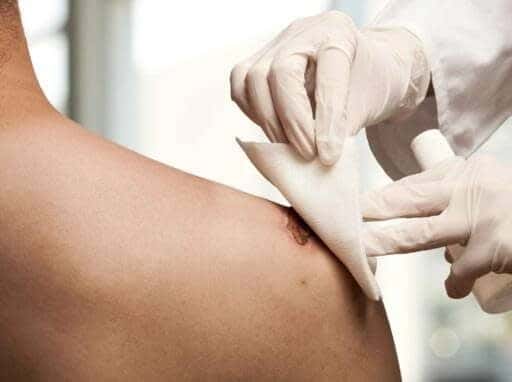 Health and Social Care
Pressure ulcer treatment course
160-hour online course to expand your knowledge of pressure ulcer care, aimed at professionals working in health and social care centres and in home care.
 Health and Social Care
Eating disorders course (TCA)
20-hour online course on eating disorders for healthcare professionals and anyone with an interest in this field.
 Health and Social Care
Care protocols in care homes and home settings course
20-hour online course focusing on protocols and communication to improve care in care homes for older people, day centres and private homes.