
Patient transport assistant course
Course description
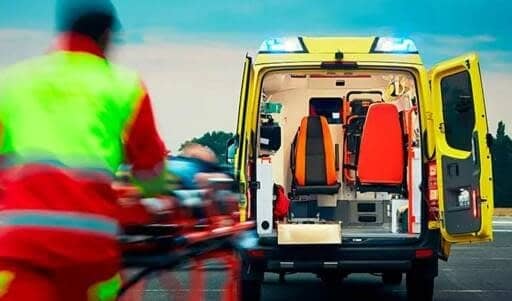
The patient transport assistant course is designed to train skilled professionals to provide support and assistance while patients are transferred to healthcare centres. This vocational training explores the key aspects of medical transport, giving students the essential technical and practical knowledge to work effectively in this sector.
During the course you will learn everything from the medical equipment carried in an ambulance to advanced life support techniques and how to move and immobilise patients. The course also covers the fundamentals of human anatomy and physiology, pre-hospital care and how to act in emergencies, including psychological support for those affected. Particular attention is paid to safe driving, including in adverse conditions, and to occupational risk prevention, ensuring well-rounded professional performance.
This course is for those who want to build a career in healthcare and social care, specifically in patient transport. The online format allows flexible learning adapted to different paces and timetables, giving access to up-to-date content relevant to the sector.
In short, the course offers 300 hours of online training for 150 euros, focused on giving you the tools you need to become a highly qualified patient transport assistant, fully competent to meet the current demands of the job market.
What you will learn
On completing this course, students will be able to provide effective support during patient transport and contribute to appropriate patient care. The main objectives are:
- Know and use the medical equipment carried in the transport vehicle.
- Identify the basic anatomy and physiology of the human body.
- Apply pre-hospital care techniques and basic and advanced life support.
- Carry out patient moving and immobilisation manoeuvres.
- Ensure safe driving in normal and adverse conditions.
- Provide psychological support in emergencies for the patient's wellbeing.
- Implement occupational risk prevention measures in the healthcare environment.
Syllabus
Topic 1. Concepts and organisation of medical transport
An introduction to the role and structure of medical transport, types of service and current regulations.
Topic 2. Medical equipment in the ambulance
A description of the essential equipment and supplies for patient care during transport, and how to use them.
Topic 3. Basic anatomy and physiology of the human body
Essential knowledge of the structure and functioning of the human body to better understand the patient's needs.
Topic 4. Pre-hospital emergency care
Protocols and techniques for caring for the patient before reaching the healthcare centre.
Topic 5. Basic life support
Fundamental procedures for the initial stabilisation of the patient in critical situations.
Topic 6. Advanced life support
Advanced techniques to sustain life in more complex situations during transport.
Topic 7. Initial care in common emergencies
How to act effectively in frequent emergencies, minimising risks to the patient.
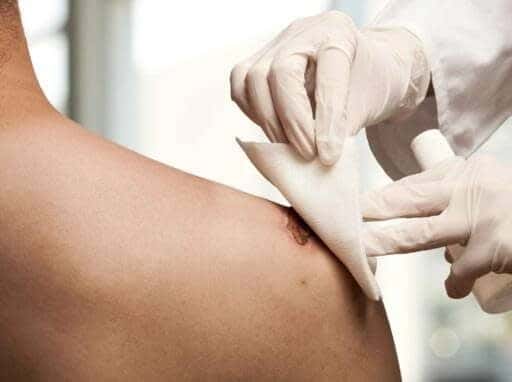
Topic 8. Care and treatment of skin injuries
Basic principles for caring for wounds and superficial injuries during transport.
Topic 9. Patient moving techniques
Safe, ergonomic manoeuvres for transfers that avoid harm to the patient and staff.
Topic 10. Patient immobilisation
Methods for ensuring patient safety through appropriate immobilisation techniques.
Topic 11. Driving and safety in patient transport
Rules and best practice for driving ambulances safely and responsibly.
Topic 12. Driving in adverse conditions
How to handle the vehicle in difficult weather and traffic conditions.
Topic 13. Psychological support in emergencies
Emotional care and psychological support for patients and families in critical situations.
Topic 14. Occupational risk prevention in medical transport
Measures and protocols to prevent accidents and protect staff health during their work.
Career opportunities
The patient transport assistant course prepares you for jobs in the healthcare and social care sector involving patient transport and basic patient care. Roles open to students include:
- Patient transport assistant in ambulances.
- Support to the emergency medical technician during patient transfers.
- Assistant in pre-hospital care services.
- Support staff in emergency and rescue services.
Sectors and companies
- Private medical transport companies.
- Public emergency medical services.
- Hospitals and clinics that require patient transfers.
- Civil protection and safety bodies and organisations.
Other Health and Social Care courses
🏥 Expand your training with more courses in this area
 Health and Social Care
Artificial intelligence in care homes and day centres
Practical training on applying artificial intelligence in health and social care centres and improving day-to-day management with tools such as ChatGPT.
 Health and Social Care
Home-based social and healthcare support course (leading to a professional certificate)
Training leading to the Certificado de Profesionalidad (official Spanish vocational qualification). SSC089_2 home-based social and healthcare support for people (RD 295/2004 of 20 February)
 Health and Social Care
Social and healthcare support for dependent people in institutions (leading to a professional certificate)
Training leading to a Certificado de Profesionalidad (official Spanish qualification). SSCS0208 Social care for dependent people in social institutions (RD 1379/2008, 1 August, amended by RD 721/2011, 20 May; amended by RD 625/2013, 2 August).
 Health and Social Care
Pressure ulcer treatment course
160-hour online course to expand your knowledge of pressure ulcer care, aimed at professionals working in health and social care centres and in home care.
 Health and Social Care
Eating disorders course (TCA)
20-hour online course on eating disorders for healthcare professionals and anyone with an interest in this field.
 Health and Social Care
Care protocols in care homes and home settings course
20-hour online course focusing on protocols and communication to improve care in care homes for older people, day centres and private homes.