Infection control in hospital settings
Course description
The infection control in hospital settings course is designed to provide complete training in microbiology and in the proper handling of the pathogens that affect health in hospitals and other healthcare settings. It is essential for professionals who want to specialise in preventing and controlling hospital-acquired (nosocomial) infections and to strengthen their skills in a key area of healthcare.
During the training, students will gain essential knowledge of the types and characteristics of microorganisms, how infectious diseases develop and how to prevent them, as well as the techniques and protocols needed to control infection among healthcare staff. The course also looks in depth at asepsis for equipment, laboratories and dental units, and at the correct management of hospital waste.
This online course is aimed at people who work, or would like to work, in clinics, hospitals, care homes for older people, private practices and other healthcare centres. Distance learning lets you combine your studies with other activities, making continuing professional development easier to access.
With a duration of 230 hours and a competitive price of 90 €, this training gives you a solid foundation for working in the healthcare sector with a focus on infection prevention. It is an opportunity to acquire the practical and theoretical skills needed to manage infection control correctly in hospital settings.
Get ready to deliver safer, more effective healthcare by applying the knowledge and techniques you gain on this specialised course.
What you will learn
On completing this course, students will be able to apply effective methods and protocols for infection control in hospitals and healthcare centres. You will develop skills in general microbiology, handling pathogens, correct use of protective equipment and maintaining asepsis in different areas.
- Understand the definition, classification and characteristics of microorganisms
- Analyse how infectious diseases, including emerging ones, develop and how to prevent them
- Apply infection control techniques among healthcare staff
- Identify and manage bloodborne pathogens and those involved in respiratory and oral diseases
- Use personal protective equipment correctly in healthcare settings
- Implement procedures for the reuse and asepsis of instruments and equipment
- Manage cleaning, disinfection and waste treatment in hospitals
Syllabus
Module I: Microbes
Unit 1. What microbes are
An introduction to the concept of microbes and their importance in the field of health.
Unit 2. Types of microorganisms: classification and characteristics
A study of the different microorganisms, how they are classified and their main characteristics.
Unit 3. How infectious diseases develop
The infection process and the factors that encourage infectious diseases to appear and develop.
Unit 4. Emerging infectious diseases
An analysis of new infectious diseases and their impact on public health.
Unit 5. Oral microbiology and plaque-related diseases
A study of microbiology in the mouth and the diseases caused by bacterial plaque.
Module II: Infection control
Unit 1. Infection control among healthcare staff
Measures and protocols to prevent the transmission of infection between healthcare workers.
Unit 2. Bloodborne pathogens
Identifying and controlling pathogens present in the blood.
Unit 3. Oral and respiratory diseases
Controlling and preventing infections of the respiratory tract and oral cavity.
Unit 4. Personal protective equipment
Types of personal protective equipment and their correct use in healthcare settings.
Unit 5. Care for reusable instruments
Procedures for correctly cleaning and disinfecting reusable medical equipment.
Unit 6. Asepsis of equipment and the consulting room
Techniques for maintaining asepsis in equipment and healthcare consulting areas.
Unit 7. Asepsis of dental unit waterlines
Cleaning and disinfecting the water systems of dental units.
Unit 8. Laboratory asepsis
Specific asepsis rules for clinical and microbiology laboratories.
Unit 9. Waste treatment
Proper, safe management of the waste generated in healthcare centres.
Module III: Hospitals and disinfection
Unit 1. Hospital infection control
Strategies for preventing and controlling infections in the hospital environment.
Unit 2. Cleaning and disinfection in hospitals
Protocols and techniques for effective cleaning and disinfection in hospitals.
Career opportunities
This course prepares professionals to take on roles in infection prevention and control in healthcare settings, helping to improve the quality of care and patient safety.
Hospital infection control technician
Cleaning and disinfection assistant in healthcare centres
Healthcare staff specialising in infection prevention
Asepsis and sterilisation technician for medical equipment
Healthcare waste manager
Sectors and companies
Care homes and residential centres for older people
Medical and dental practices
Clinical laboratories and diagnostic centres
Other Health and Social Care courses
🏥 Expand your training with more courses in this area
 Health and Social Care
Artificial intelligence in care homes and day centres
Practical training on applying artificial intelligence in health and social care centres and improving day-to-day management with tools such as ChatGPT.
 Health and Social Care
Home-based social and healthcare support course (leading to a professional certificate)
Training leading to the Certificado de Profesionalidad (official Spanish vocational qualification). SSC089_2 home-based social and healthcare support for people (RD 295/2004 of 20 February)
 Health and Social Care
Social and healthcare support for dependent people in institutions (leading to a professional certificate)
Training leading to a Certificado de Profesionalidad (official Spanish qualification). SSCS0208 Social care for dependent people in social institutions (RD 1379/2008, 1 August, amended by RD 721/2011, 20 May; amended by RD 625/2013, 2 August).
 Health and Social Care
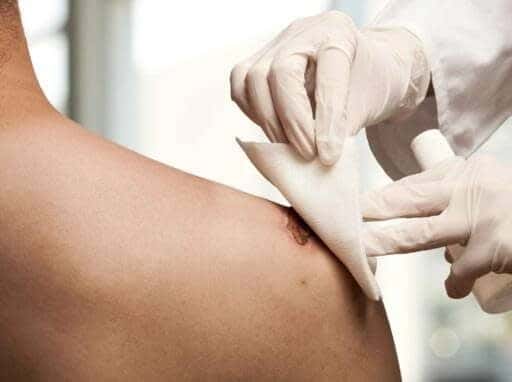
Pressure ulcer treatment course
160-hour online course to expand your knowledge of pressure ulcer care, aimed at professionals working in health and social care centres and in home care.
 Health and Social Care
Eating disorders course (TCA)
20-hour online course on eating disorders for healthcare professionals and anyone with an interest in this field.
 Health and Social Care
Care protocols in care homes and home settings course
20-hour online course focusing on protocols and communication to improve care in care homes for older people, day centres and private homes.