
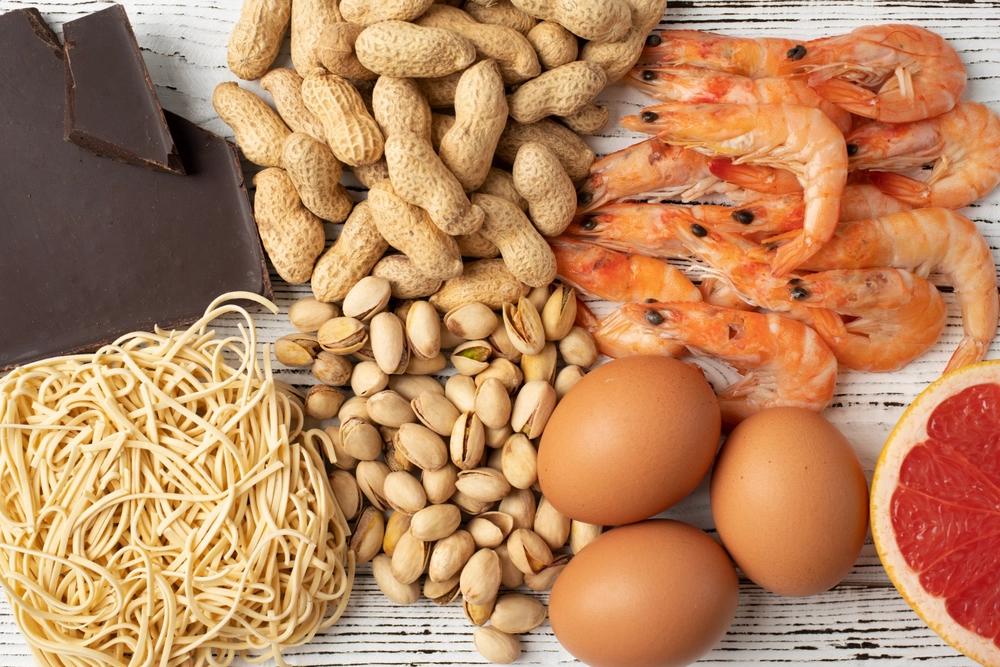
More and more customers ask what is in a dish before ordering it. For someone with an allergy or intolerance, the answer is a health matter. That is why the regulations require bars, restaurants, hotels and canteens to give information about the allergens in the food they serve.
We go through the 14 allergens that must be declared, the foods they tend to hide in and what your business needs to do to comply with the regulations.
Allergen regulations for bars and restaurants
The obligation to provide allergen information comes from a European regulation and how it is applied in Spain. These are the rules every food business should know:
Regulation | What it covers |
|---|---|
Regulation (EU) 1169/2011 | Food information for consumers and the list of 14 allergens that must be declared |
Royal Decree 126/2015 | How to give allergen information for food that is not sold packaged, such as dishes in a restaurant |
Regulation (EC) 852/2004 | Food hygiene and the training of staff who handle food |
Which businesses must provide allergen information
Bars, cafés and restaurants
Hotels with a restaurant or buffet
School, workplace, care home and hospital canteens
Catering companies and takeaway or delivery businesses
Bakeries, cake shops and shops that sell unpackaged food
List of the 14 allergens that must be declared
These are the 14 allergens that must always be declared when they are present in a dish, even in small amounts:
Allergen | Where it may appear |
|---|---|
Cereals containing gluten | Bread, batter and breadcrumbs, sauces thickened with flour, beer |
Crustaceans | Prawns, king prawns, crabs, seafood stocks and fumets |
Eggs | Mayonnaise, batter, desserts, fresh pasta |
Fish | Stocks, sauces, surimi, some dressings |
Peanuts | Asian sauces, snacks, baked goods |
Soya | Soy sauce, tofu, processed products |
Milk | Cheese, cream, butter, sauces and desserts |
Nuts | Almonds, hazelnuts, walnuts, pesto, turrón |
Celery | Stocks, soups, sofrito, celery salt |
Mustard | Sauces, dressings, vinaigrettes, cured meats |
Sesame seeds | Bread, hummus, tahini, Asian cooking |
Sulphur dioxide and sulphites | Wine, dried fruit, some pickles |
Lupin | Snacks and some flours |
Molluscs | Mussels, clams, squid, octopus |
Hidden allergens in sauces, stocks and prepared dishes
The allergens that cause most problems are not the obvious ones, but those that come in with a secondary ingredient or a ready-made product.
Celery, mustard and sesame in sofrito, dressings and bread
Celery appears in many vegetable stocks and bases, mustard in vinaigrettes and meat sauces, and sesame in burger buns or on top of some dishes. Always check the product specification sheet for these items.
Sulphites in wine, pickles and dried fruit
Sulphites are used as preservatives. They are in the wine added to a stew, the pickles in a salad or the dried apricots in a dessert, and they must be declared when they exceed the amount set by the regulations.
Milk and egg in batter, purées and desserts
A purée made with butter, a croquette made with béchamel or a coating made with egg all contain allergens the customer may not expect. The menu must list them even if they are not in the name of the dish.
How to give allergen information to restaurant customers
Allergen information must be available before the customer orders or eats the dish. You can choose the format that best suits your business:
How to inform | How to do it well |
|---|---|
On the menu | With icons or text next to each dish and a key explaining the icons |
With a sheet for each dish | Available to anyone who asks and updated every time a recipe changes |
Verbally | Only if the information is also available in writing and a visible notice explains how to see it |
How to prepare a clear allergen menu
List every dish you offer, including daily specials.
Check the ingredients in each recipe and the specification sheets for the products you buy.
Mark which allergens each dish contains in a matrix with dishes and allergens.
Transfer that information to the menu or the dish sheets in an easy-to-read format.
Update it every time you change a recipe or a supplier.
What dining room staff should do when a customer mentions an allergy
Always check the written information instead of answering from memory
Tell the kitchen clearly and note the allergy on the order
Check with the kitchen whether there is any risk of cross contamination
Be honest if a dish cannot be guaranteed free of the allergen
Allergen cross contamination in the kitchen
A dish may not contain an allergen in its recipe and still contain traces through contact with other foods, utensils or surfaces.
Measures to prevent cross contamination when cooking
Use separate utensils, chopping boards and containers for allergen-free dishes.
Clean surfaces and equipment thoroughly between one preparation and the next.
Store ingredients in closed, clearly labelled containers.
Prepare special dishes first and keep them covered until they are served.
Do not use the same frying oil for battered products and gluten-free dishes.
How to tell customers about allergen traces
Warning that a dish may contain traces is voluntary information. Use it only when the risk is real and cannot be avoided, because if it appears on every dish it is no longer useful to the customer.
Food allergen training for hospitality staff
Our food allergens course for hospitality, 20 hours online, teaches you to identify the 14 allergens, give correct information and prevent cross contamination. If you also run a kitchen, you may be interested in the HACCP course or the food safety self-monitoring in food businesses course.
Who should be trained in allergens in a food business
Kitchen staff, who prepare the dishes and control the ingredients
Dining room and bar staff, who answer customers' questions
Managers and buyers, who choose products and suppliers
Basic food hygiene training for the whole team
As well as the allergens course, everyone who works with food needs basic food hygiene training. We explain how to get it in our guide to the food handler certificate.
You can see all our training for the sector in our Hospitality courses area.